

KIFOV launches today as an independent initiative to protect children from harm. We want to be clear from the first day about what that means, and what it does not.
What we are not
We are not a helpline, a hotline or an emergency service. We are not yet a registered organisation. We do not have staff trained to receive reports about individual children, and we do not have the legal powers or secure systems that such reports need.
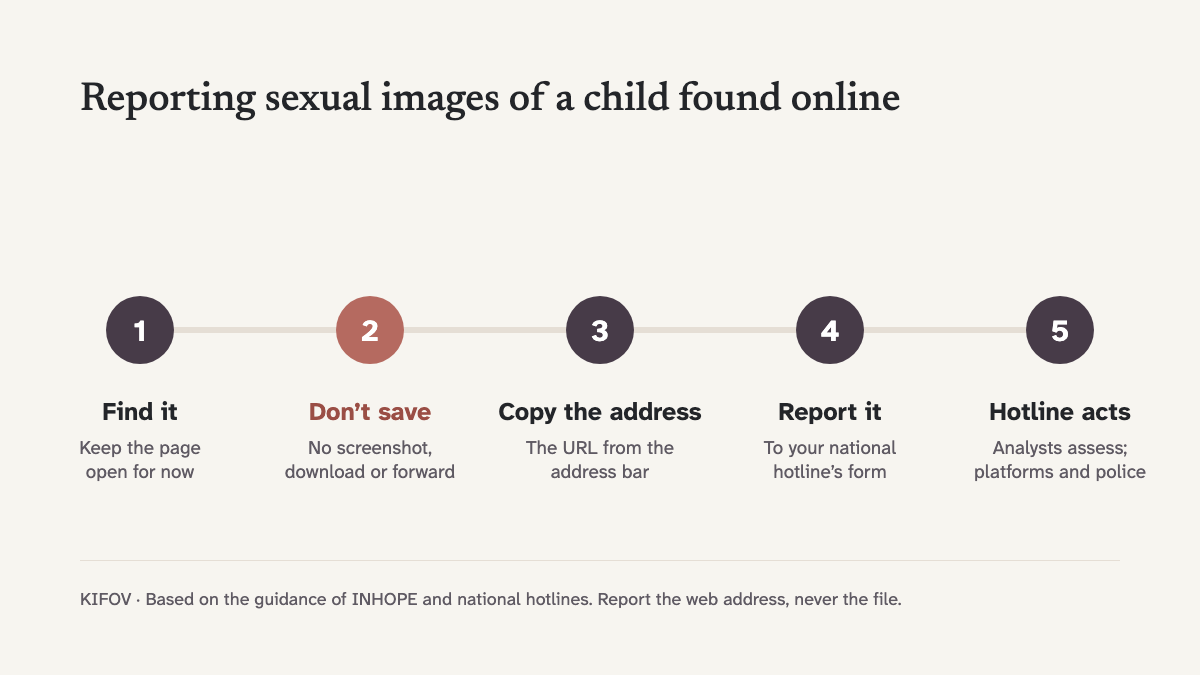
It would have been easy to launch with a reporting form anyway. Many websites do. We think that would be wrong. A report about a child at risk sent to the wrong place is a report that arrives late, or not at all. A sexual image of a child sent to an organisation that cannot lawfully receive it is another copy of the abuse. INHOPE, the network of hotlines, is explicit that such material should never be sent by email, and that only authorised hotlines should receive reports.
What we are doing instead
A help directory you can trust. Every country already has people who can help a child: emergency services, child helplines, specialist hotlines, regulators. The problem is finding the right one, quickly, under stress. Our directory lists them by situation and by country. We open each service's official page ourselves, describe it only as it describes itself, and show the date we last checked it. Entries we have not re-checked within a year disappear automatically. We start with six countries and international services, and will add more only as fast as we can check them properly.
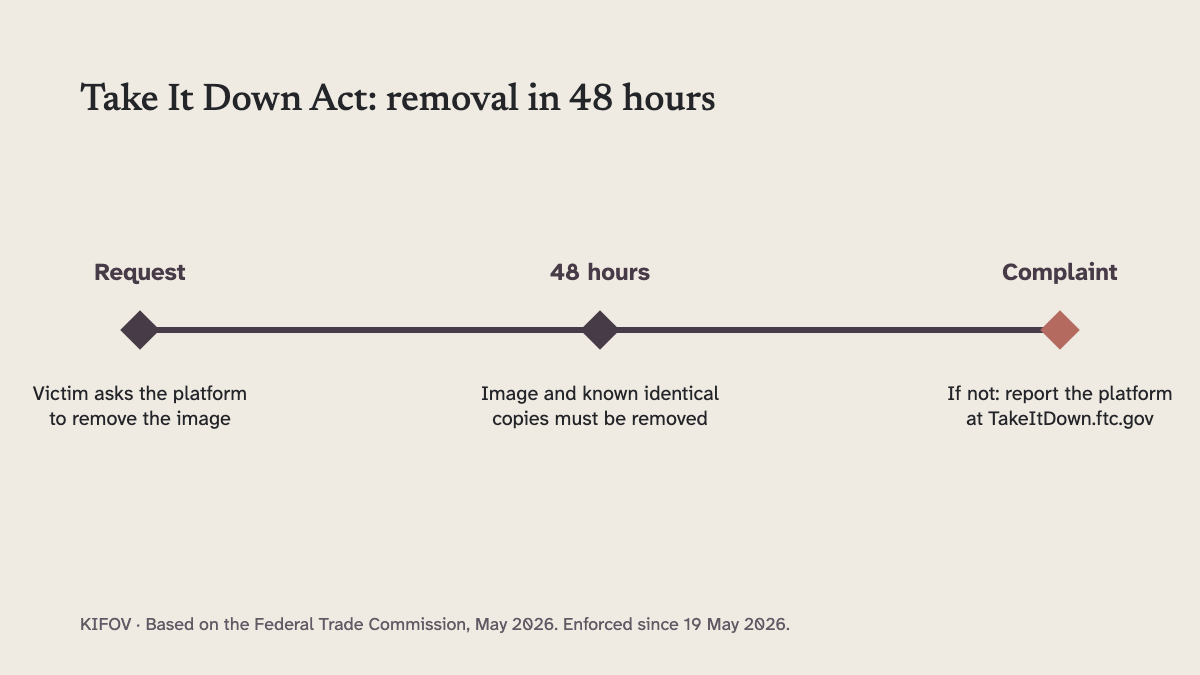
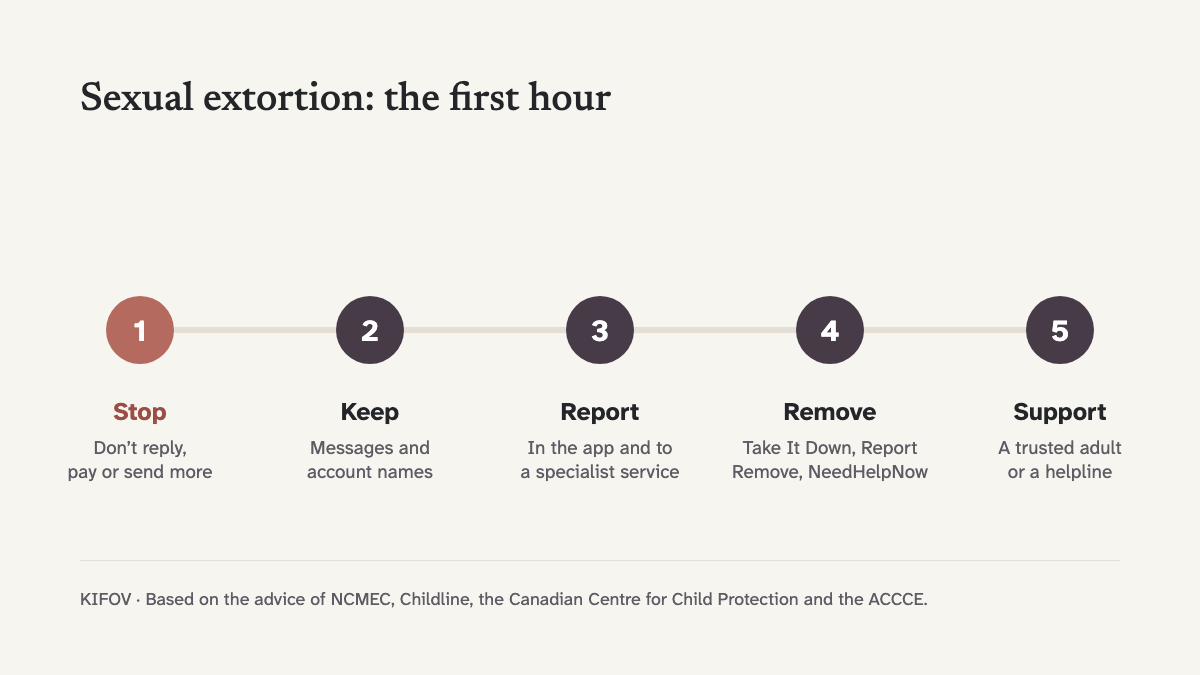
Plain guidance, attributed. Our guides tell children, parents and professionals what to do, in the order it matters, based on what the specialist services advise, with links to them.
Reporting that people can rely on. We cover developments in child protection, from court rulings to new hotline data, with every claim linked to its source and a clear line between what is known and what is not.
Accountability over time. We plan to compare, with a published method, how well platforms protect children in practice. That work has not started; when it does, we will say so.
What we ask
If you work in child protection anywhere in the world, help us check your country's services. If we get something wrong, tell us. And if a child is in danger now, please do not read further: call your local emergency number.
KIFOV Editorial Team